Colorado-based electric aircraft developer Bye Aerospace has disclosed the supplier and technology partners behind its eFlyer 2 all-electric trainer aircraft as it approaches its first flight following a series of structural, propulsion, and ground tests.
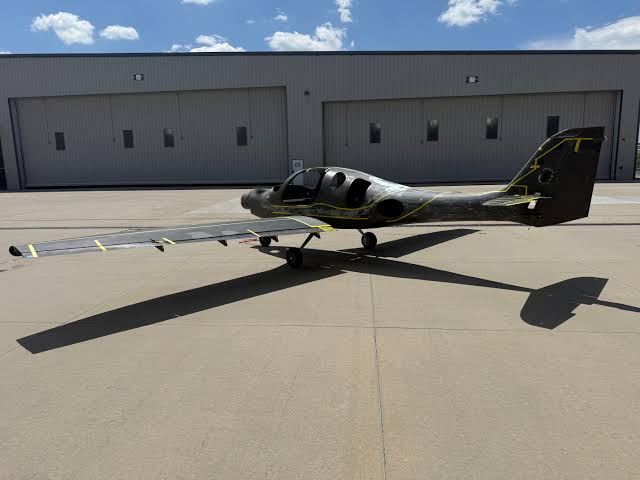
The eFlyer 2 is being developed as a two-seat all-electric aircraft intended for pilot training, and it features a lightweight composite airframe, and what the company describes as a safety-enhancing aerodynamic design. According to Bye Aerospace, electric training aircraft of this type can reduce maintenance and energy costs by up to 80% compared to conventional piston trainers, a figure the company says could improve the economics of flight training for operators and students.
The company has positioned the aircraft as a tool for modernizing flight training at a time of increasing demand for pilots and growing industry pressure to reduce aviation's environmental footprint.
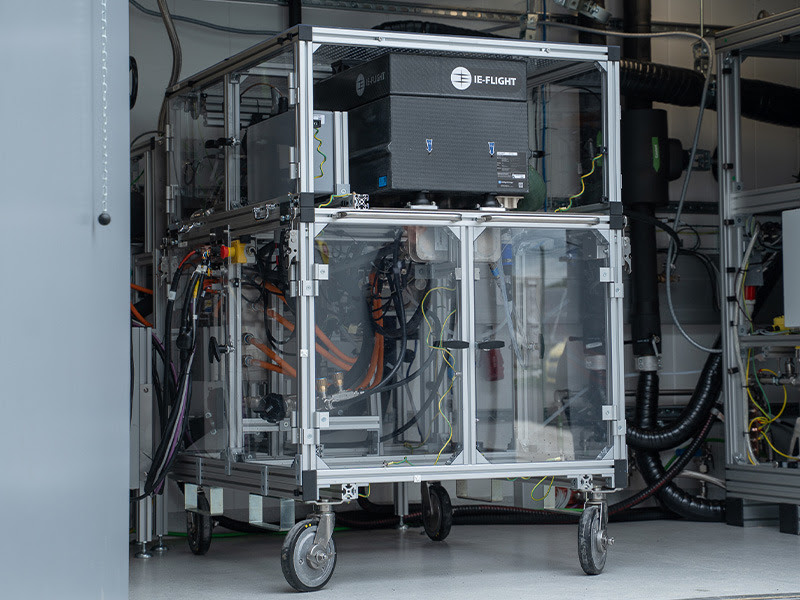
Bye Aerospace said the prototype has completed structural load testing of major components, including the wings, fuselage, and flight-control surfaces. The company also reported conducting low- and high-speed ground tests at varying angles of attack as part of preparations for flight testing, including evaluations carried out using a mobile ground-testing platform the company refers to as "The Beast," which was used to assess propulsion and aircraft systems ahead of flight operations.
Among the suppliers participating in the program are Safran Electrical & Power, which provided the ENGINeUS 100B1 electric motor, an EASA-certified unit designed for low-noise operation and energy efficiency, and magniX, which supplied the aircraft's battery system.
Garmin also supplied the G500 TXi avionics suite, while Siemens Digital Industries Software provided engineering software used during design and development. Other companies involved in the program have supplied composite materials, manufacturing support, structural components, and charging infrastructure.
CEO Rod Zastrow described the supplier group as reflective of what he called a low-risk approach to development. "Their involvement reflects the low-risk approach and technical progress of the program, as well as the growing confidence in electric aviation," Zastrow said in the company's release. "As we approach the first flight, this milestone represents years of focused development and close collaboration with partners who have helped turn eFlyer 2 from a concept into a flight-ready aircraft."
The eFlyer 2 forms part of a broader family of electric aircraft under development by Bye Aerospace. The company is also developing the four-seat eFlyer 4, which uses the same electric propulsion architecture.
Bye Aerospace holds an orderbook of over 1,000 aircraft across the two-seat eFlyer 2 and the four-seat eFlyer 4. Flight training organizations that have placed orders include Spartan College of Aeronautics & Technology, Skyborne Academy, Flex Air Flight School, and KLM Academy in the Netherlands.
The company did not provide a specific date for the eFlyer 2's first flight. Bye Aerospace stated that testing and preparation activities are continuing as the aircraft moves toward the next phase of development.