Pyka has announced the successful validation of a new low-altitude autonomous airdrop capability for its flagship DropShip cargo aircraft, a platform designed for logistics operations in remote environments, disaster response scenarios, and military applications.
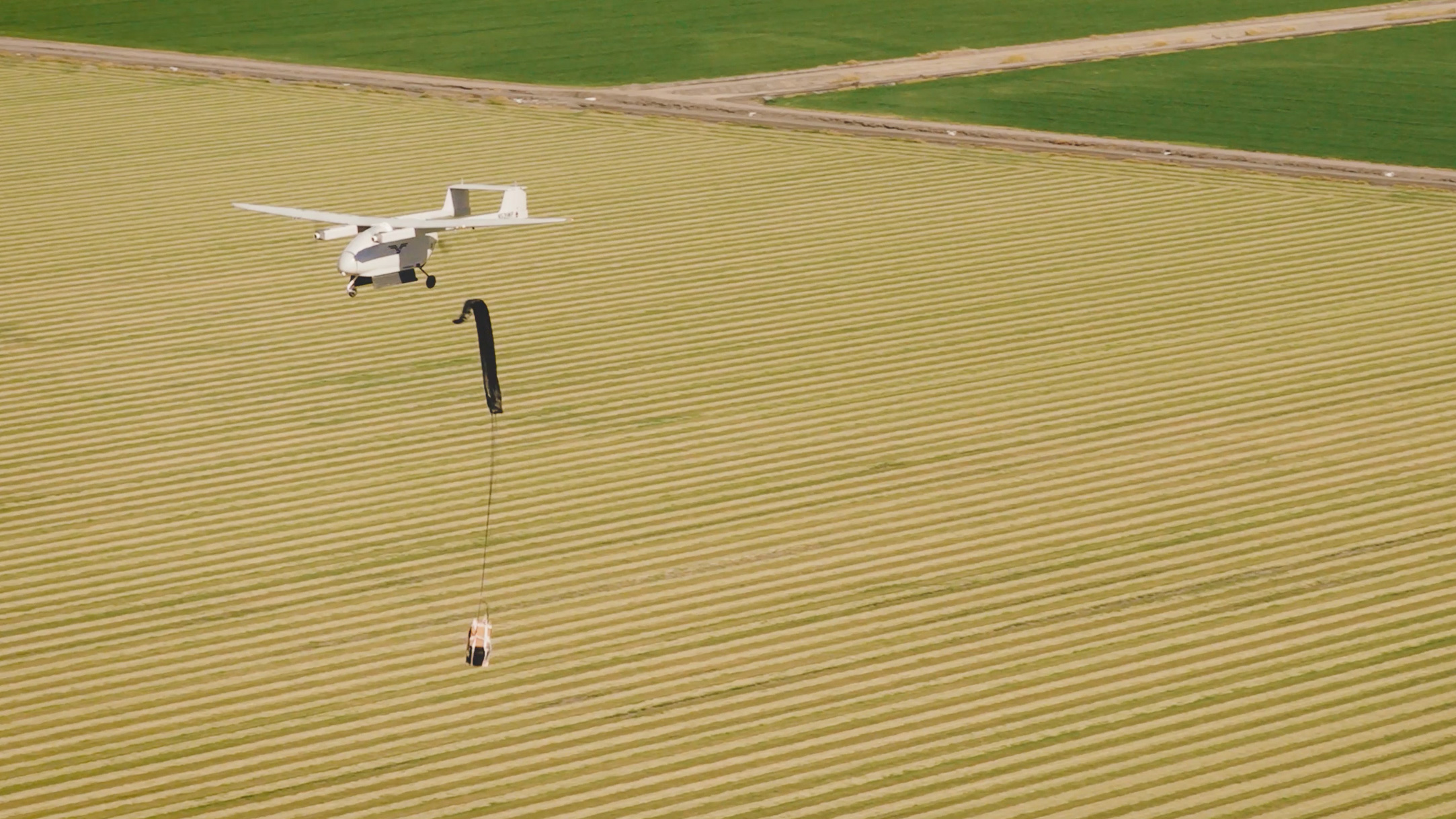
During a recent demonstration flight, the aircraft autonomously delivered multiple payloads weighing up to 90 kilograms (200 pounds) from an altitude of approximately 91 meters (300 feet). According to the company, the payloads landed within 15 meters (50 feet) of their intended target location.
The new capability is intended to support missions where conventional supply chains are unavailable, disrupted, or difficult to access. Potential payloads include fuel, water, medical supplies, spare parts, and other mission-critical cargo.
Pyka highlighted that the demonstration represents another major milestone for the DropShip program, which completed its first flight only six months after launch. The company noted that the aircraft progressed from concept development to autonomous precision airdrop testing in approximately eight months, leveraging technologies already proven on its commercial aircraft platforms.
According to Pyka, DropShip is designed to provide long-range autonomous cargo delivery with an operational radius of up to 2,000 miles, supporting military logistics, humanitarian missions, and emergency response operations.
The company stated that it will continue expanding the aircraft’s mission capabilities and operational envelope while preparing for upcoming customer evaluations and operational exercises with the U.S. Government later this year.
Key Takeaway
Autonomous precision airdrop technology is emerging as a significant capability for next-generation cargo drones. While the system remains in an operational testing phase, Pyka’s demonstration highlights the potential for rapid supply delivery in contested environments, disaster zones, and remote locations where traditional logistics solutions may be limited.