Image Credits: Dronelife
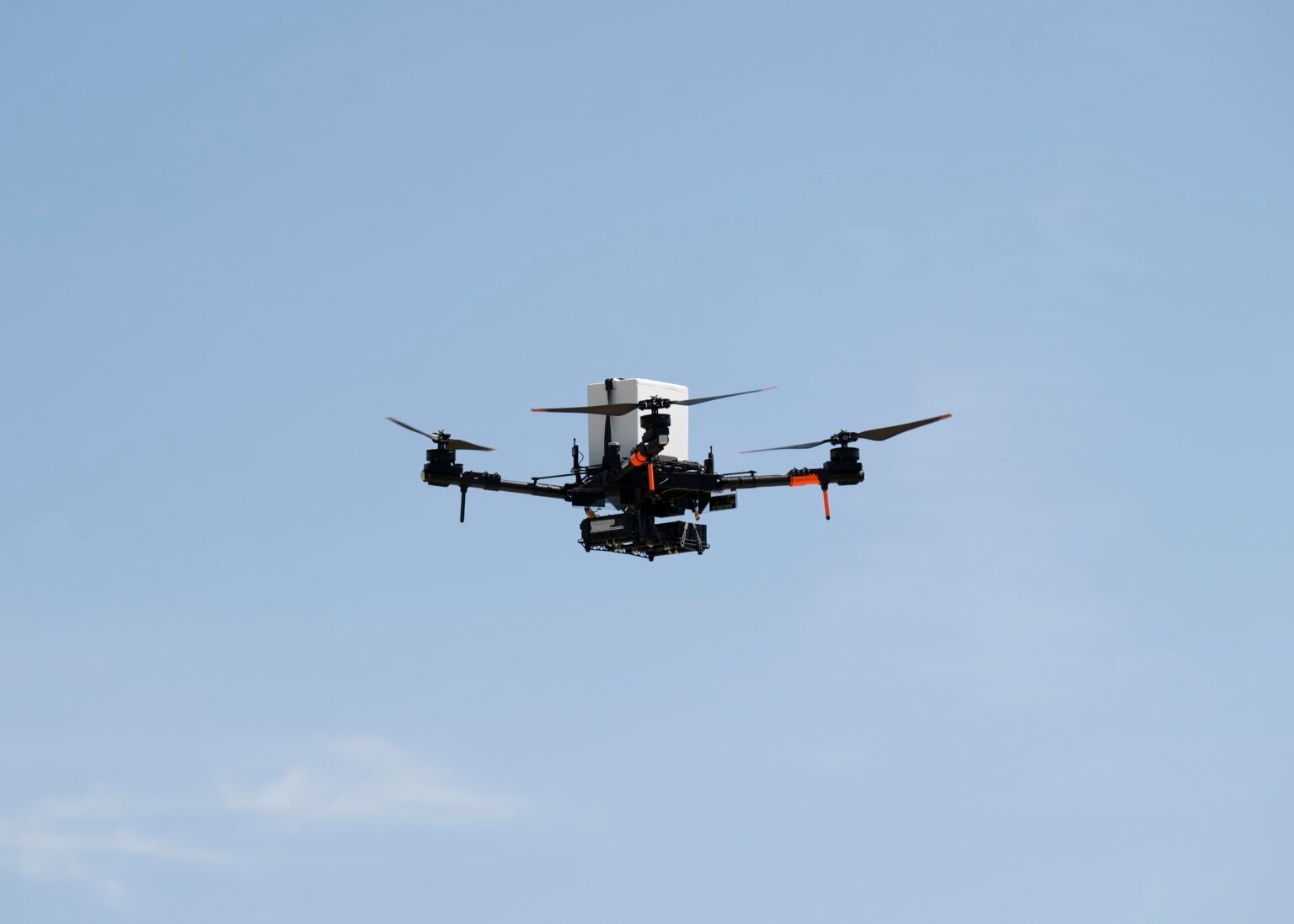
NASA's Langley Research Center, the United Network for Organ Sharing (UNOS) and LifeNet Health, the federally designated organ procurement organization for Virginia, have completed flight tests transporting human kidneys by drone, with flights conducted beyond visual line of sight, the organizations announced June 15.
The flights took place June 5 and lasted approximately 15 minutes each, according to UNOS. Research kidneys were biopsied and placed on preservation pumps before and after the flights to evaluate whether drone transport affected organ integrity. Temperature, pressure, altitude and other environmental conditions that could influence organ preservation during transport were monitored throughout each flight.
UNOS said preliminary findings showed no evidence that the flights negatively affected the organs.
"With more than 100,000 people currently waiting for a lifesaving transplant nationwide, innovation in organ transportation is essential," UNOS Interim CEO Mark Johnson said in a statement. "This successful collaboration represents an important step toward making organ transportation safer, faster and more efficient."
According to the organization, organ transplantation is highly time-sensitive; once recovered, organs remain viable for only a limited window, and delays in transportation can affect organ function, patient outcomes, or whether a transplant can proceed at all. The organizations said exploring drone technology could help reduce transit times and expand access to transplantation for patients on waiting lists.
UNOS cited national transplant data showing that another person is added to the U.S. transplant waiting list every eight minutes, and 13 people die each day waiting for an organ. More than 3,000 people in Virginia are currently on the waiting list, according to the organization.
The kidneys used in the study were donated for research through LifeNet Health after it was determined they would not be suitable for transplantation. The donor family's gift allowed researchers to evaluate how drone transportation could factor into future organ preservation and logistics methods.
"Research donation plays a vital role in advancing medicine and transplantation," said Rony Thomas, President and CEO of LifeNet Health. "While not every organ can be transplanted, many can still contribute to scientific discovery and innovations that may help save countless lives in the future."
UNOS noted that research donations can support multiple studies and that many existing medical advances in transplantation trace back to donations made for research purposes. The organization added that research donation requires proper authorization and follows established ethical and regulatory standards, with families given clear information about the process.
The test is part of a research collaboration UNOS and NASA announced on April 21, 2026, when the two organizations signed an agreement to study how drone transportation affects donor organs and whether the technology could help improve the speed, efficiency and reliability of organ transportation in the United States.
As part of the collaboration, NASA is also analyzing potential flight routes and logistics integration to evaluate the feasibility of incorporating drones into the organ transportation system.
UNOS, NASA and LifeNet Health said they plan to continue evaluating drone transportation in operational settings, including potential future flights moving research organs between hospitals and airports. Future phases of the broader partnership are expected to address scalability, longer-range flight testing and regulatory considerations, according to the April announcement.